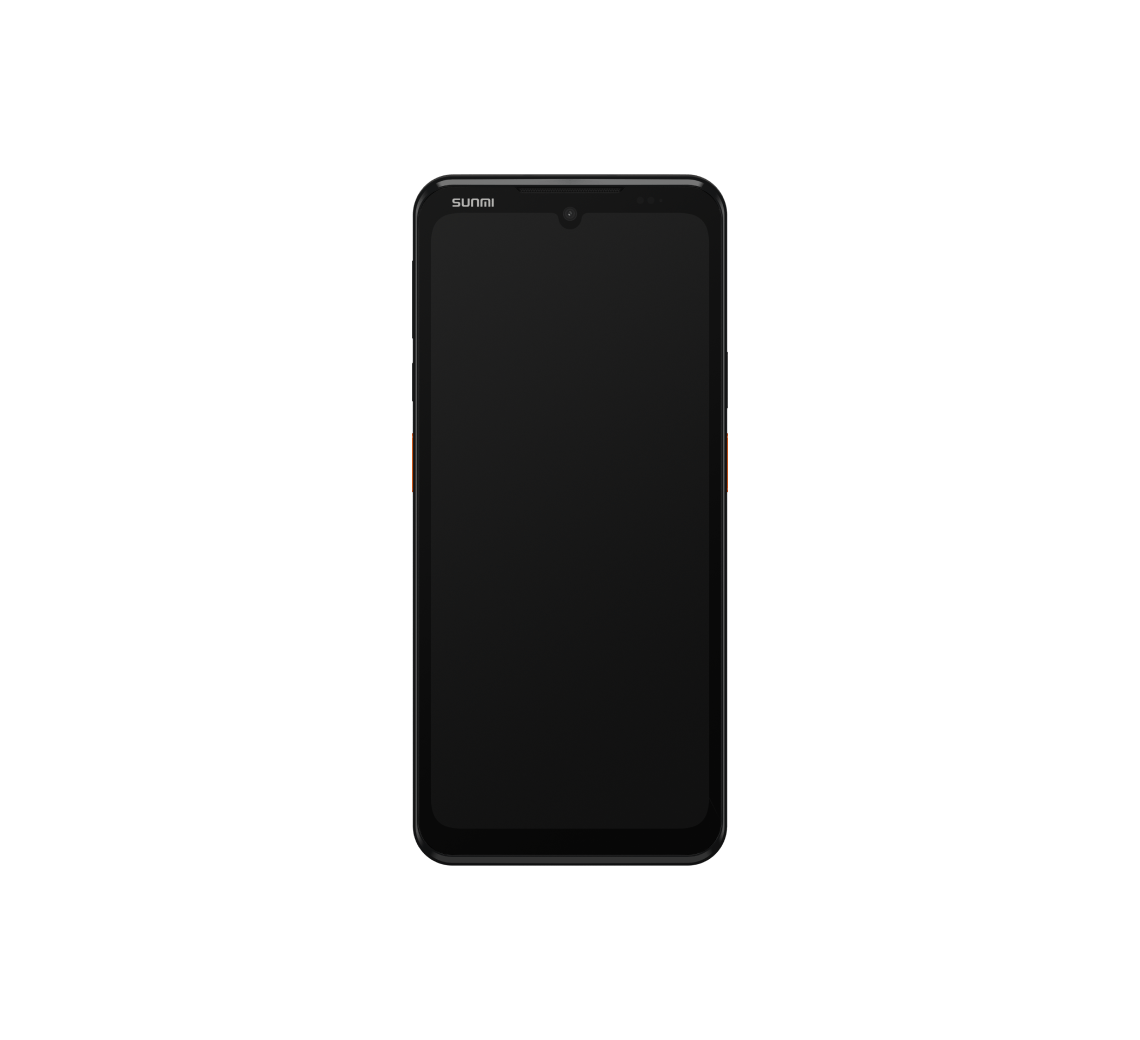
SUNMI Private Label, OEM and ODM POS & Kiosk Hardware
We support three routes for SUNMI POS terminals, self-service kiosks and payment devices: brand an approved platform through private label, customize an existing product through OEM, or develop a new product through ODM. The work can cover product definition, industrial and electronic design coordination, prototype, tooling, certification, pilot, production and lifecycle ownership.
01Choose the routeStart with an approved platform or a new product brief, based on the change your launch actually needs.
02Prove the releaseDesign, prototype, software, certification and pilot decisions stay visible before production.
03Own the handoverProduction, IP, credentials, support and lifecycle owners are named before the first batch.
What we deliver
A product path from platform branding to new hardware development.
We map your requirements to the right level of change, then connect commercial, technical and operational work so a program remains usable after the first shipment.
01
Product definition and route
Define the product, target users, workflow, market, device role, volume and success criteria. We recommend private label, OEM or ODM based on what is already proven and what must change.
Output: product brief + route recommendation
02
Brand, industrial and mechanical scope
Coordinate brand assets, enclosure, labels, packaging, accessories and, where required, industrial or mechanical design changes with the responsible design and manufacturing team.
Output: brand / design change checklist
03
Software and electronics integration
Set the Android image, app preload, kiosk rules, MDM, interfaces, peripherals, connectivity and electronics responsibilities for the selected or new product.
Output: system profile + ownership map
04
Prototype, sample and pilot
Review prototypes or branded samples against boot, payment, printing, scanning, offline recovery, charging, service access and operator acceptance.
Output: prototype review + acceptance record
05
Tooling, certification and production
Coordinate DFM, tooling, certification dependencies, pilot production, quality checks, batch staging, serial tracking and spare planning with the named manufacturing partner.
Output: production readiness gate + batch playbook
06
Lifecycle, IP and support
Record firmware and software ownership, design files or IP terms, signing credentials, updates, replacement, RMA, warranty and end-of-life responsibilities before launch.
Output: lifecycle + ownership plan
Choose your path
Private label, OEM or ODM: start at the right level.
Private label uses an approved platform. OEM changes an existing product or specification. ODM starts from a product brief and carries the design into production. We recommend the smallest route that meets the product goal and the volume case.
01 / Choose your path
Private label: brand an existing SUNMI platform
Use an approved device and align the visible experience to your brand: boot screen, enclosure artwork, packaging, accessories, app preload and launch assets.
Best for: a fast pilot or first commercial batchYou receive: a branded sample path and asset checklist
02 / Choose your path
OEM: customize an existing product
Start from an existing platform or product specification and assess enclosure, firmware, interfaces, peripherals, regional variants, packaging or manufacturing changes.
Best for: a differentiated offer built on an existing productYou receive: a scoped change list + commercial owner map
03 / Choose your path
ODM: develop a new product
Start with product requirements for a POS terminal, self-service kiosk, payment device or other commercial endpoint. UnitWeave can lead product definition and development coordination through industrial and electronic design, prototype, DFM, tooling, certification, pilot and production with a qualified ODM manufacturing partner.
Best for: a new hardware product with a volume and investment caseYou receive: product brief + development gates + lifecycle ownership map
Example OEM / ODM programs
See what your own branded hardware could look like.
The right program depends on the business you already own. These examples show how a restaurant SaaS, payment provider, retail platform or field-service company can turn a SUNMI device family into a controlled product offer. When an existing platform is not enough, the same brief can move into ODM product definition and development gates.
RESTAURANT SAAS
01
Your own restaurant hardware kit
You sell ordering, POS or kitchen software and want restaurants to buy a device bundle that arrives under your brand.
What you launch
A branded counter terminal for ordering and payment, with a kitchen display or printer option for the back of house.
What we coordinate
Select the counter and kitchen roles, preload your Android app, configure kiosk and MDM policy, and coordinate boot artwork, packaging, quick-start material and site handover.
SUNMI starting point
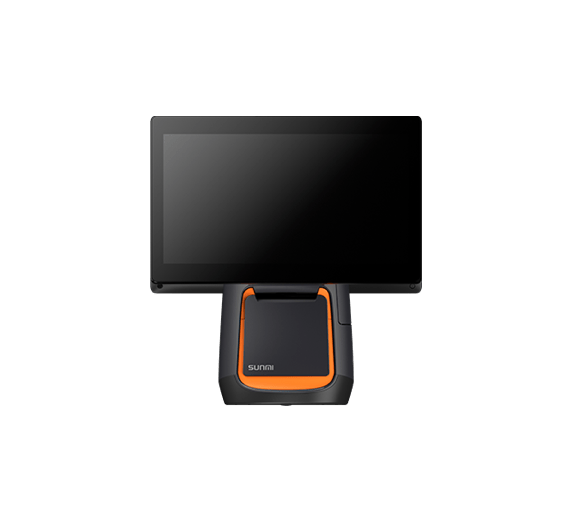
SUNMI T2s at the counter, with D2s KDS or the 80 Kitchen Cloud Printer in the kitchen. The exact mix follows the country and service flow.
Prove before scale
Create a dine-in or takeaway order, route the correct ticket, complete payment, print and reprint, recover from offline mode and reconcile the order after reconnect.
Important boundary: Payment acquiring, fiscal rules, kitchen integration and local service ownership remain project-specific and need named owners.
PAYMENT / FINTECH
02
Your own payment acceptance device
You are an acquirer, PSP, SoftPOS provider or payment software company and want merchants to see your brand on the terminal and in the onboarding flow.
What you launch
A merchant-facing handheld or countertop payment product with your app, merchant setup, receipt behavior and support route.
What we coordinate
Map the payment UX, choose the P-series variant, preload and lock the approved app, set connectivity and receipt behavior, and coordinate packaging and pilot evidence.
SUNMI starting point
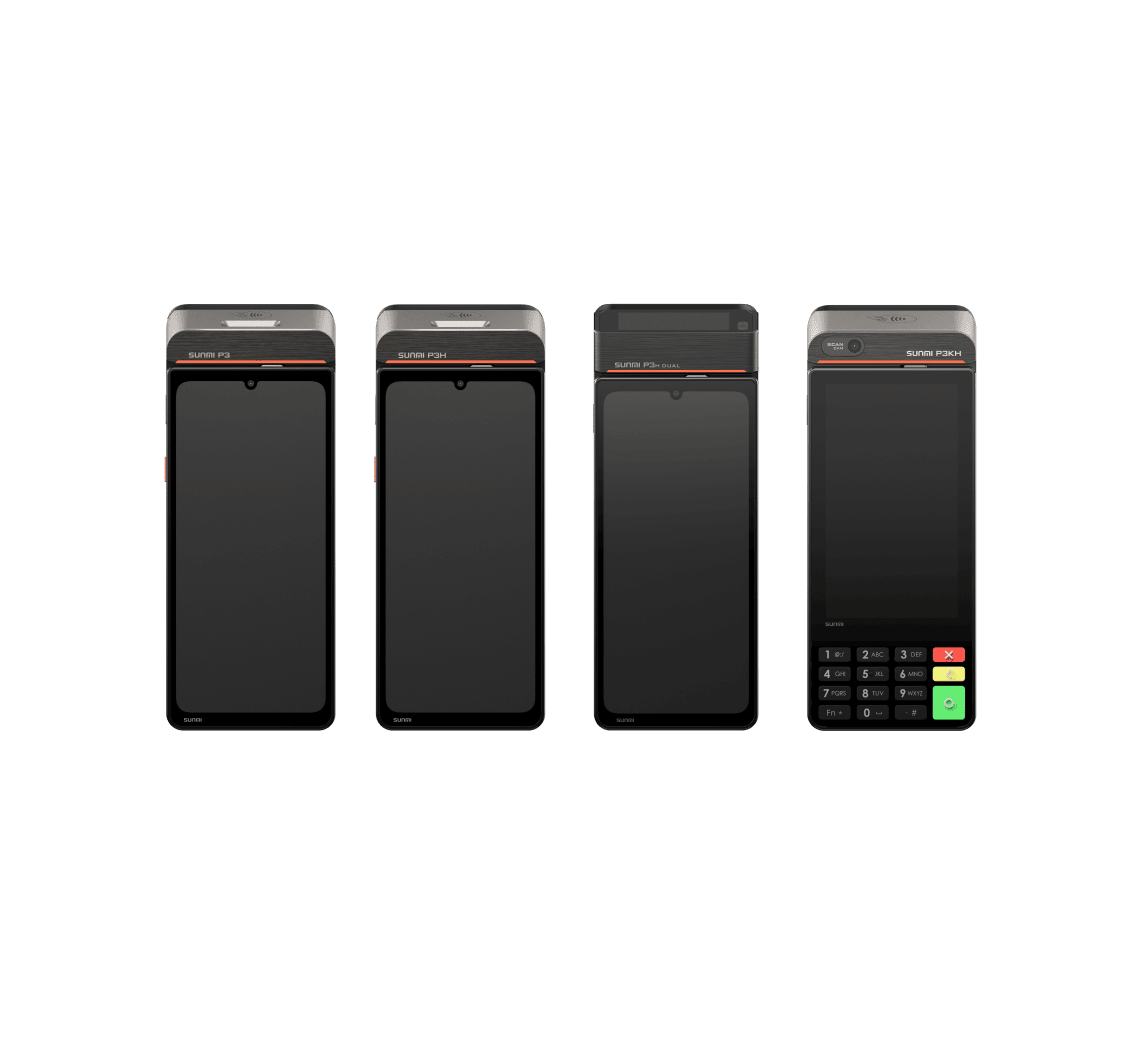
SUNMI P3, P3 AIR or P2 family, selected by certification, NFC, printer, SIM and merchant workflow requirements.
Prove before scale
Run approved sale, decline, reversal, refund, receipt, network-loss and settlement-reconciliation flows on the target acquirer configuration.
Important boundary: We coordinate the device path. Payment certification, PCI scope, acquiring approval and transaction liability sit with the named payment owners.
RETAIL / ERP
03
A branded store operations fleet
You own a retail POS, ERP, inventory or franchise platform and need consistent hardware across customer sites and channel partners.
What you launch
A branded checkout and stock-capture bundle: fixed checkout where needed, handheld scanning for associates, and label output for the back room.
What we coordinate
Define the role matrix, app image, MDM policy, naming convention, accessories, serial tracking, staging checklist and exception workflow for each site.
SUNMI starting point
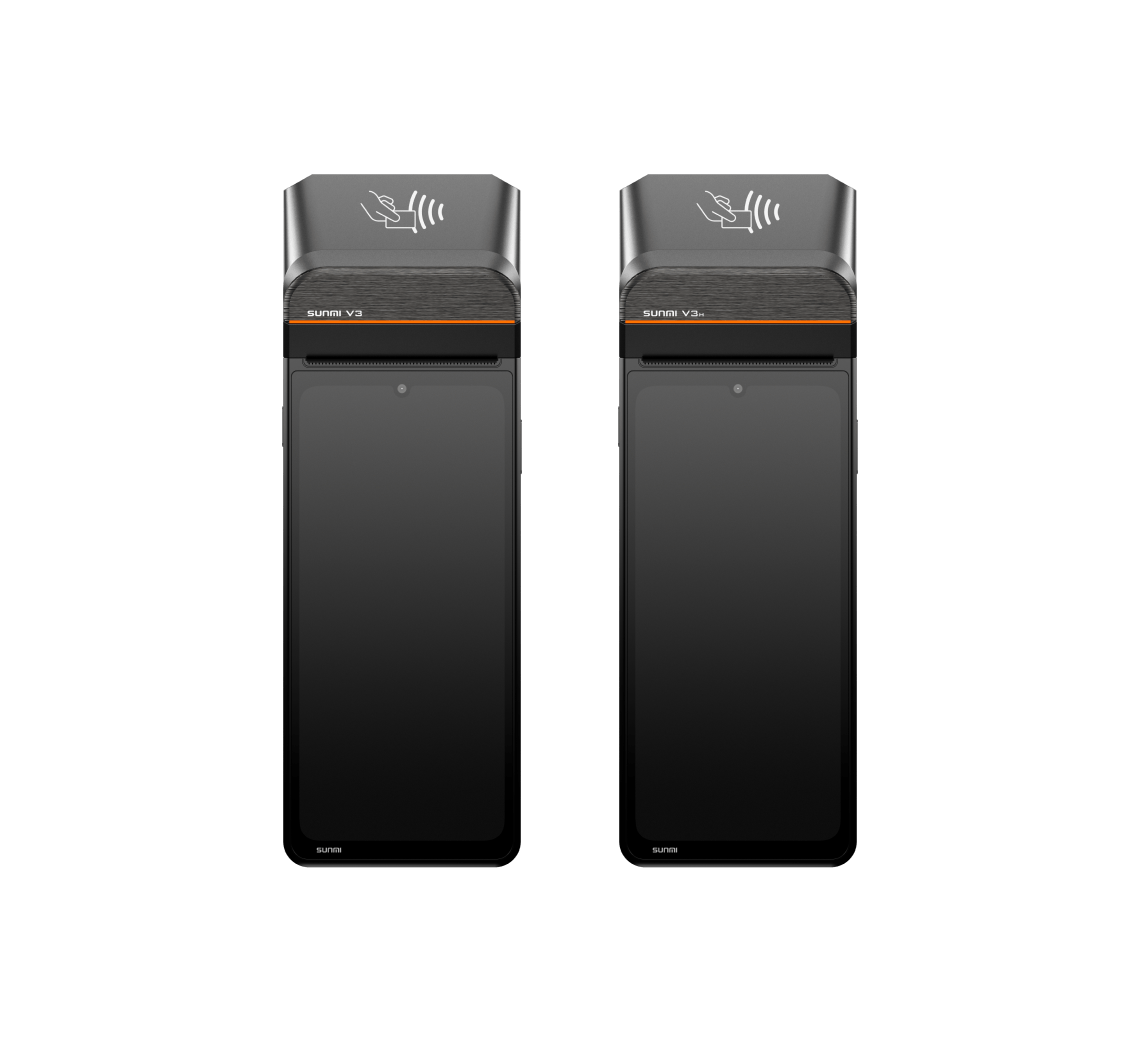
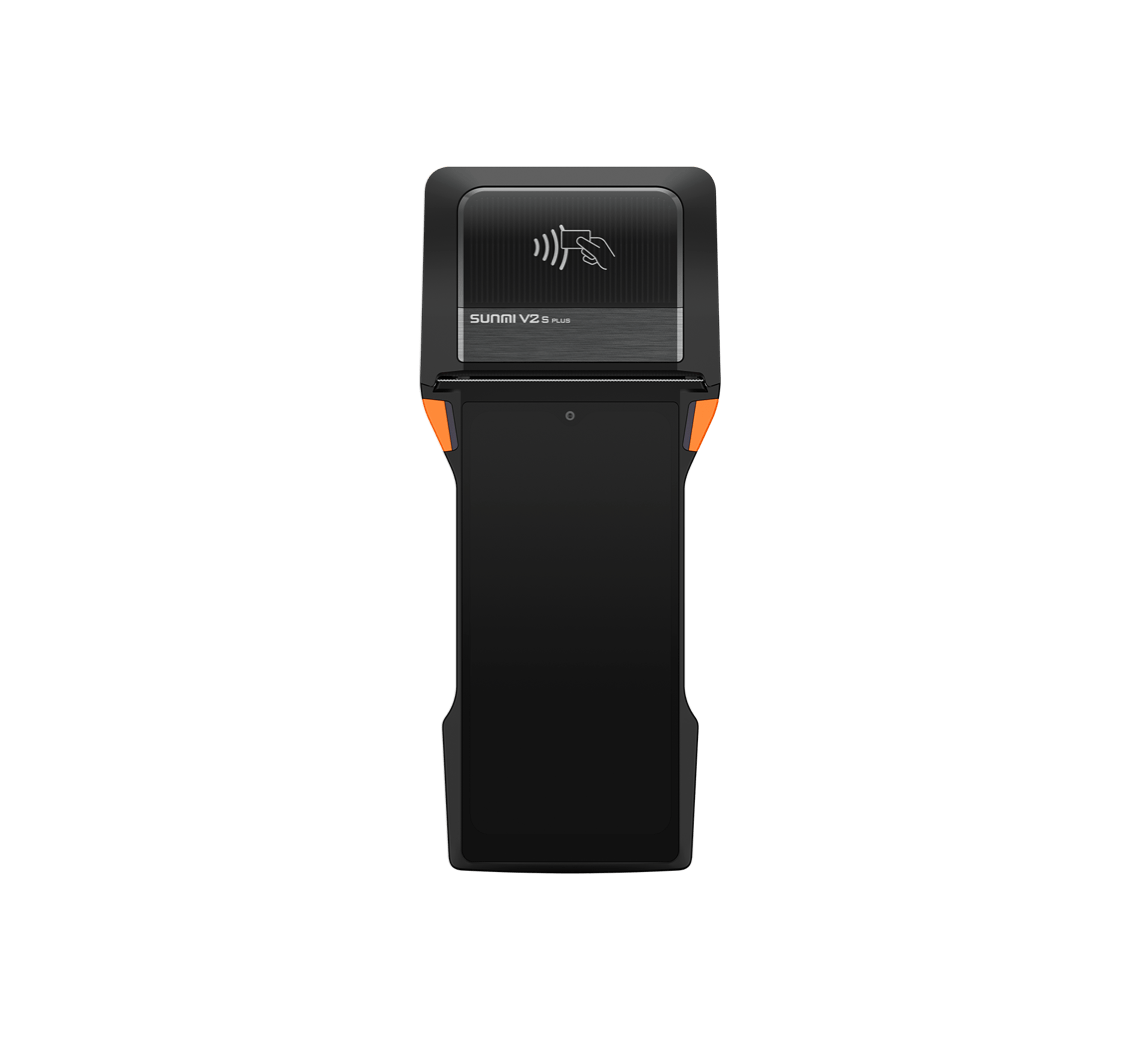
SUNMI V3 family or T2s for checkout, V2s PLUS for mobile work, plus the 2D Handheld Scanner or 80mm Label Printer where the workflow calls for it.
Prove before scale
Complete sale and return, scan stock, post an inventory update, print a label, handle offline and reconnect states, and replace a device without losing site identity.
Important boundary: Your ERP remains the source of truth. A local scan or print is not an inventory transaction until the named system accepts and reconciles it.
LOGISTICS / FIELD SERVICE
04
A managed mobile worker kit
You provide delivery, route, asset or field-service software and want a ready-to-deploy mobile endpoint that carries your product name.
What you launch
A controlled mobile kit with a task app, scan or capture flow, offline queue, update policy, charging plan and replacement process.
What we coordinate
Choose V2s PLUS, L2H or L3 by scan volume and environment, configure the app and MDM, define accessories, device labels, staging records and RMA evidence.
SUNMI starting point
SUNMI L2H or L3 for scan-heavy work; V2s PLUS for lighter mobile workflows, subject to the named battery, carry and connectivity profile.
Prove before scale
Open a job, scan, capture a signature or quantity, queue work offline, reconnect, print a label when required, lock or reset the device and complete a replacement handover.
Important boundary: Ruggedness, carrier coverage, GPS, safety, data retention and local field service require explicit acceptance criteria and contract ownership.
How the engagement works
From product brief to production, with a decision at every stage.
Each phase leaves a concrete artifact. You can see what is confirmed, what is still open and who owns the next decision across private label, OEM or ODM.
01
Frame the product brief
Country, target users, workflow, device role, order quantity, launch window, software stack and whether the requirement is private label, OEM or ODM.
Output: product scope, route recommendation and open questions
02
Define the platform or design
Map the workflow to an existing SUNMI device or a new product architecture, including industrial design, electronics, peripherals, connectivity and regional constraints.
Output: platform shortlist or design requirement set
03
Prototype and validate
Test the branded sample or prototype and the real operator flow: boot, payment, printing, scanning, offline recovery, charging and service access.
Output: prototype review, acceptance checklist and issue log
04
Lock certification and release
Freeze artwork, firmware, app versions, MDM policy, packaging copy, DFM, tooling and the certification evidence needed for the production decision.
Output: release candidate, certification plan and ownership map
05
Pilot, produce and scale
Coordinate pilot production, quality checks, batch staging, exceptions, spares and a named route for warranty, updates, replacement and end-of-life.
Output: production handover and repeatable lifecycle playbook
Qualification checklist
What we confirm before anyone talks about tooling.
We surface the less visible work early: route, ownership, market constraints, support, certification dependencies and how the device will behave after launch.
CommercialTarget quantity, forecast cadence, NRE or MOQ assumptions, incoterms, lead-time tolerance and who owns the purchase order.
Product definitionCustomer, workflow, form factor, environment, success criteria and whether private label, OEM or ODM is the appropriate route.
Design and manufacturingExisting platform or new design, enclosure, electronics, DFM, tooling, quality checks and the named manufacturing partner.
Software and electronicsApp ownership, signing keys, Android image, MDM, interfaces, peripherals, update channel, telemetry and offline behaviour.
Brand, market and certificationCountry of sale, radio, payment or fiscal requirements, language, labelling, packaging and certification responsibility.
Lifecycle and IPDesign files, firmware and software ownership, spare ratio, repair route, RMA evidence, warranty, end-of-life notice and the accountable owner.
Reference architectures
Start from a device role your team can explain.
These are practical starting points for a first conversation, not a promise of stock or regional availability.
MOBILE COUNTER
Branded checkout kit
A compact counter or queue setup with a customer-facing screen, receipt output and a controlled Android image.
SUNMI V3 family
FIELD & RETAIL
Associate handheld
A mobile workflow for assisted selling, inventory lookup, barcode capture and receipt or label printing.
SUNMI V2s PLUS
FIXED SITE
Store operations terminal
A durable fixed station for POS, back-office tasks or a dedicated vertical application with managed peripherals.
SUNMI T2s
Questions before kickoff
Clear answers make better briefs.
We separate private label, OEM and ODM scope from what needs a manufacturer, acquirer, certification lab or local service owner.
01What is the difference between private label, OEM and ODM?
Private label uses an approved existing SUNMI platform with your brand, packaging and controlled software. OEM starts from an existing product or specification and qualifies agreed changes such as enclosure, firmware, interfaces or accessories. ODM starts from product requirements and covers product definition, design, prototype, tooling, certification, pilot, production and lifecycle ownership with a named manufacturing partner. We recommend the smallest route that meets your product goal.
02Can UnitWeave lead an ODM program?
Yes. We can lead the product brief, route selection, development coordination, prototype review, certification and production planning, and the handover with a qualified manufacturing partner. Factory production, certification results, IP terms and warranty responsibilities are assigned to named owners in the project contract.
03What is the minimum volume for OEM or ODM?
There is no universal threshold. A private-label pilot can start with a standard platform, while deeper OEM changes normally require a forecast. ODM usually adds design, tooling, certification and non-recurring engineering decisions, so we confirm the commercial case after reviewing quantity, market and change depth.
04Do you manufacture the hardware?
SUNMI manufactures the distributed SUNMI products. For an OEM or ODM product program, UnitWeave coordinates the agreed development and commercial work with a qualified manufacturing partner; the named manufacturer, certification applicant, IP owner and support owner are recorded in the contract.
05What can be branded or configured?
Depending on the platform and approval path, this can include boot artwork, enclosure and packaging, accessories, app preload, kiosk rules, MDM policy, regional settings, interfaces and the handover materials used by each site.
06Can you guarantee certification, stock or warranty coverage?
No. Certification, import, stock, warranty and service availability depend on the country, configuration and contract. We identify the evidence, dependencies and responsible owners before a purchase or production decision.
07Who owns the software, design files and signing keys?
The brief must name the owner. We can prepare a build, coordinate development and document the release, but production ownership, design files, signing credentials, MDM access, source code and update rights should be contractually assigned.
08How long does a program take?
A focused platform screen can be completed quickly; a branded sample, OEM change or ODM prototype, certification review and production readiness take longer. The first review returns a timeline with dependencies instead of an optimistic blanket promise.
Ready to qualify the route?
Tell us what you want to launch. We will map the shortest viable path.
Share whether you need private label, OEM or ODM, plus the target market, expected volume, current software, product requirements and launch target. We will route the brief to the right commercial, design and technical review.
Company, target market, expected volume and current software are enough to begin. Tell us whether you need private label, OEM customization or a new ODM product, then add a logo pack, device model, product brief or launch target when you have one.
Typical first review: recommended route, product or platform shortlist, design and certification assumptions, ownership risks and the next validation artifact.